What is line editing?
Your manuscript has been through structural work. The big decisions are made — the shape is right, the story holds, the argument lands. Now it is time to look at how it is actually written. That is the line editor's territory.
A line editor works at the level of the prose itself — sentence by sentence, paragraph by paragraph. Their focus is on how the writing reads: the rhythm, the clarity, the word choices, the transitions, and the overall flow of the language. They are not fixing typos or restructuring chapters — they are refining the way your ideas are expressed on the page.
In practice, line editing involves close reading and intervention at a granular level. A line editor might tighten a sentence that is doing too much work, suggest a stronger verb, flag where the pacing slows unnecessarily, smooth a transition between scenes or sections, or note where the tone shifts in a way that jars. The goal is to make the writing as clear, engaging, and precise as possible — while preserving the author's voice throughout.
This last point matters enormously. A good line editor does not impose their own style onto your work. They are in service of your voice — finding the best version of how you write, not replacing it with how they would write.
Line editing is sometimes confused with copyediting, but the two are distinct. Copyediting focuses on correctness — grammar, punctuation, consistency, and adherence to a style guide. Line editing focuses on quality of expression. Both matter, but they are asking different questions of the text.
Line editing is for authors who have a structurally sound manuscript and want to ensure the writing itself is as strong as it can be before moving into copyediting and proofreading. It is also valuable for non-fiction writers, essayists, and business authors who want their prose to be genuinely compelling, not just technically correct.
The structure gets readers to the end. The line editing makes them want to stay there.
Examples of Line Editing
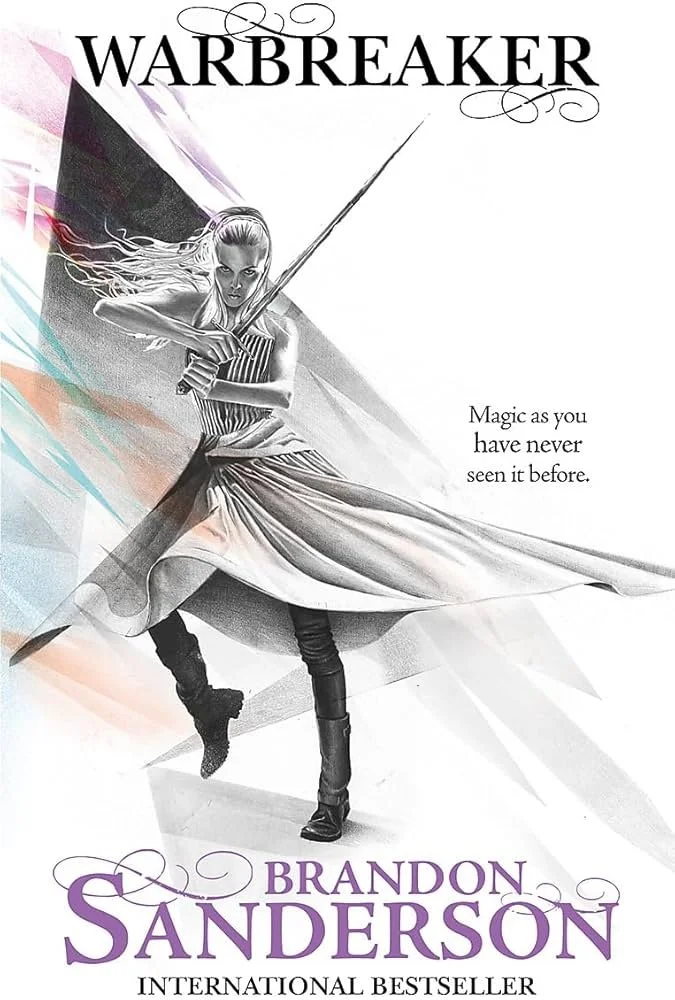
Line Editing Fiction Example (Warbreaker by Brandon Sanderson)
A documented, real-world case of line editing in modern epic fantasy comes from Brandon Sanderson's public drafting process for his fantasy novel Warbreaker. Sanderson frequently shares his actual behind-the-scenes edits to teach students the mechanics of a language draft — the draft where he targets a 10% word reduction to make the prose lean, punchy, and fast-paced.
The following line edit is taken directly from the transition between Chapter 1 and Chapter 2 of Warbreaker, contrasting his unpolished draft against the final published book. Sanderson made his original draft of Warbreaker available to read on his website. You can look there to find more line editing examples of pre and post published versions.
Before and After Example of Line Edit
The Draft Version:
"Vivenna didn’t point out that the King of Hallandren would probably just marry her sister to one of his cousins anyway, or perhaps keep her as a concubine. There was no point in making her sister feel any worse than she already did. Plus, Siri would find out the truth soon enough anyway."The Final Published Version:
"Vivenna didn't point out that the God King would probably just marry Siri to a cousin or keep her as a concubine. There was no point in making her sister feel worse. Siri would find out the truth soon enough."
Why the Editor (and Sanderson) Cut It Down:
Removed Echoes (Word Repetition): Look at how many times the draft uses the word "anyway"(twice in three short sentences) and "sister" (twice). A line editor flags repetitive words that happen within the same paragraph because they create a clunky, unintentional rhythm.
Tightened the "Throat Clearing": The draft phrase "feel any worse than she already did" is wordy. The line edit slices it down to the essential punch: "feel worse."
Axed Unnecessary Conjunctions: The draft starts the third sentence with "Plus...", which reads as conversational and breaks the epic fantasy tone. Dropping "Plus" makes the final sentence land with a heavier, more ominous weight.
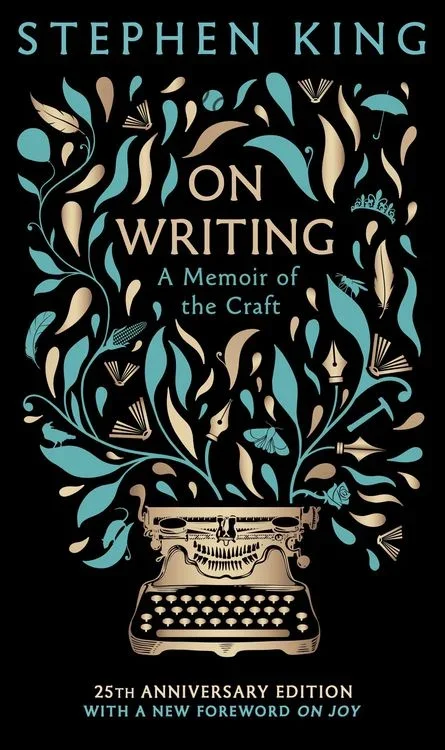
Line Editing Non-Fiction Example (On Writing by Stephen King)
For a real non-fiction case, Stephen King published a direct look at his own line-editing process in his memoir On Writing, showcasing the rule: Second Draft = First Draft – 10%.
Before and After Line Edit
The Draft Version:
"The man who is named John Cullum lives in a small, white-painted mobile home that sits on a plot of land down by the lake. He is a man who is seventy years old, but he doesn't look it. He is a person who has spent his entire life working outdoors."The Final Published Version:
"John Cullum lives in a white mobile home by the lake. He is seventy but doesn't look it; he has spent his life working outdoors."
Why the Editor (and King) Cut It Down
Erased Wordy Identifiers: The phrase "The man who is named..." is completely redundant. The reader knows he is a man named John Cullum because his name is John.
Combined Sentences for Flow: The draft uses three separate, halting sentences that all start the exact same way ("He is a man...", "He is a person..."). The line edit uses a semicolon to blend those ideas together, instantly improving the musical cadence of the prose.
Something remember
You don’t need to cut everything. When line editing, it’s important to keep the true value of each sentence and make sure you don’t cut small nuggets that mean something later on, while making it easier for the reader to read your book.
If your prose is complicated on purpose, make sure you find an editor who understands what you’re trying to achieve, and respects your storytelling style. If we all wrote the same, life would be inherently more boring.