Fantasy magic systems and how to write them well
There is a moment in every great fantasy novel where the rules of the magic system are made known, snaring the reader in a honey trap. That moment is the epitome of author satisfaction and how you can encourage readers to become invested in your books.
There are differences, some subtle, others not so much, in how magic systems are written, or developed based on the different genres. We’ll get more into that later.
To explain magic systems in layman’s terms, magic systems are the set of rules, principles, costs, and limitations that govern how magic works within a fictional world. It defines what magic can do, who can use it, what it costs, and what it cannot do. It is not simply the presence of the magic — it is the internal logic that makes magic coherent, and therefore meaningful within the story.
Most magic systems sit somewhere between soft and hard magic, and the choice of which one you put to work, is an important world building decision with direct consequences for plot, character, and theme. There is also the issue of making your magic system unique, or following tried and true magic systems, for example; elemental magic, elven magic, Witchcraft or even shapeshifters. It’s up to you as the writer to interpret your magic system in a way that the readers understand, while still making it unique to your world and characters.
A Good starting point for figuring out your magic system is to research. Some subjects to research could include:
Alchemy
Wicca
Druids
Historical records of the unusual
Old fairytales and stories
Retold accounts of visitations
Nasa and outer world phenonomenons
Folk stories across the world
Physics
Quantum leaping
Astronomy
Astrology
The list could go on, but the important this to remember, is finding your own version while keeping the magic system coherent with sets of rules sprinkled throughout your prose.
What type of magic system should you use?
A magic system that is tied to emotion externalises the internal states of the characters in ways that make the emotional arcs visible and visceral. A magic system that requires sacrifice or has a biological cost raises the stakes of every use and forces characters into genuine dilemmas. A magic system based in language, mathematics, or ancient knowledge fits naturally within the dark academia framework, where the acquisition of arcane understanding is already the central obsession.
Emotional costs & magic systems
A great example of a book with catastrophic emotional costs is Red City by Marie Lu. The characters lose a piece of their soul every time they use magic. This book is heartbreaking. You have been warned.
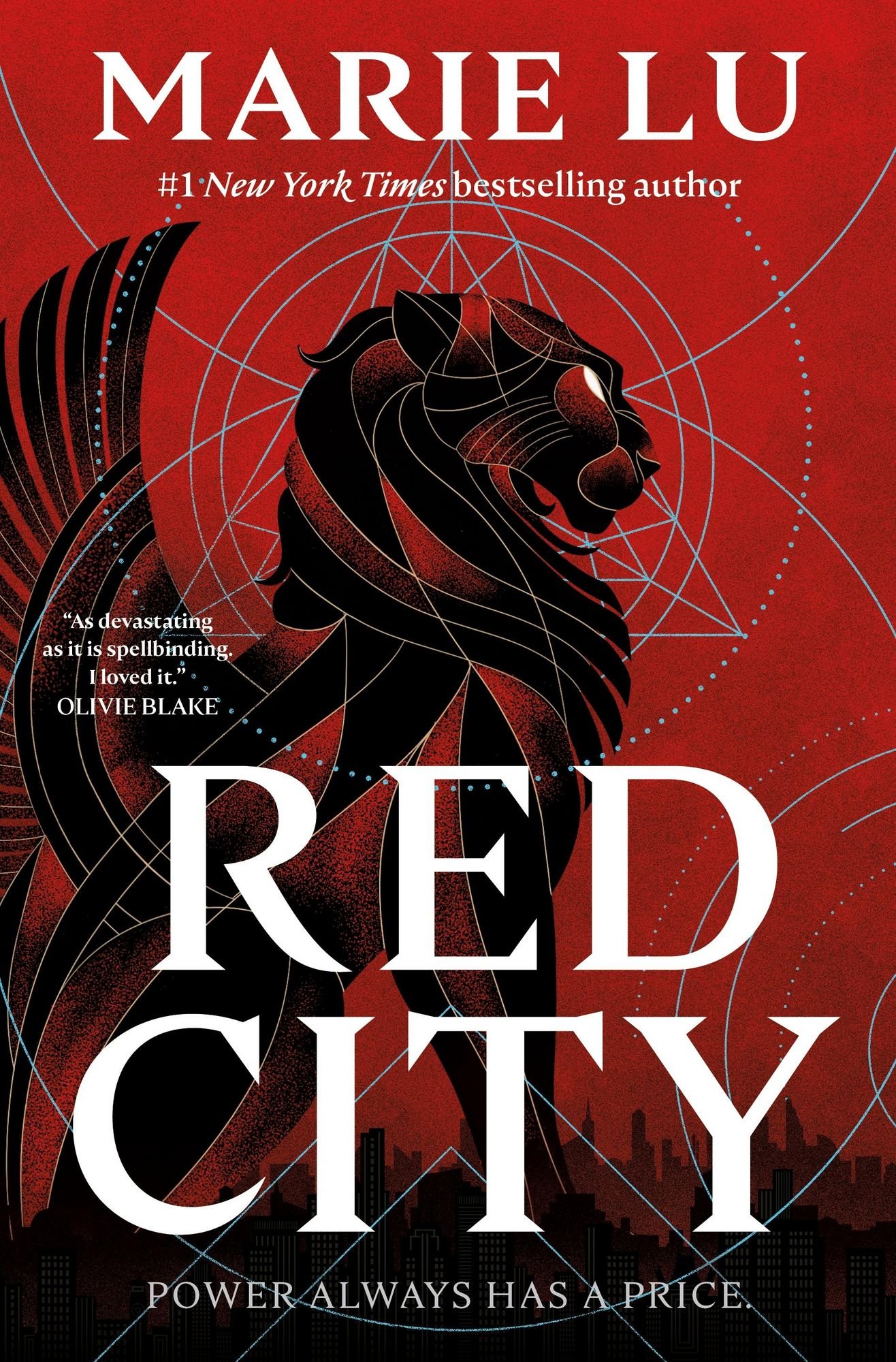
Red City by Marie Lu
The Godfather meets The Magicians in the sweeping adult debut from #1 New York Timesbestselling author Marie Lu. Perfect for fans of V.E. Schwab, Red City is a dark and deadly contemporary fantasy of magical warfare, star-crossed ambition, and the pursuit of perfection at any cost, set in a glittering alternate Los Angeles.
Alchemy is the hidden art of transformation. An exclusive power wielded by crime syndicates that market it to the world’s elites in the form of sand, a drug that enhances those who take it into a more perfect version of themselves: more beautiful, more charismatic, simply more.
Among the gleaming skyscrapers and rolling foothills of Angel City, alchemy is controlled by two rival syndicates. For years, Grand Central and Lumines have been balanced on a razor’s edge between polite negotiation and outright violence. But when two childhood friends step into that delicate equation, the city—and the paths of their lives—will be irrevocably transformed.
Source: https://marielu.com/books/red-city
Science fiction & magic systems
In science fiction, the equivalent of a magic system is often technology, a strange new world or biological augmentations — and the same principles apply. The technology needs internal consistency. Its limitations need to be as clearly established as its capabilities. And the most interesting science fiction uses its central technology not merely as a plot device but as a way of exploring what that technology reveals about humanity: what it enables, what it corrupts, what it makes possible that perhaps should not be.
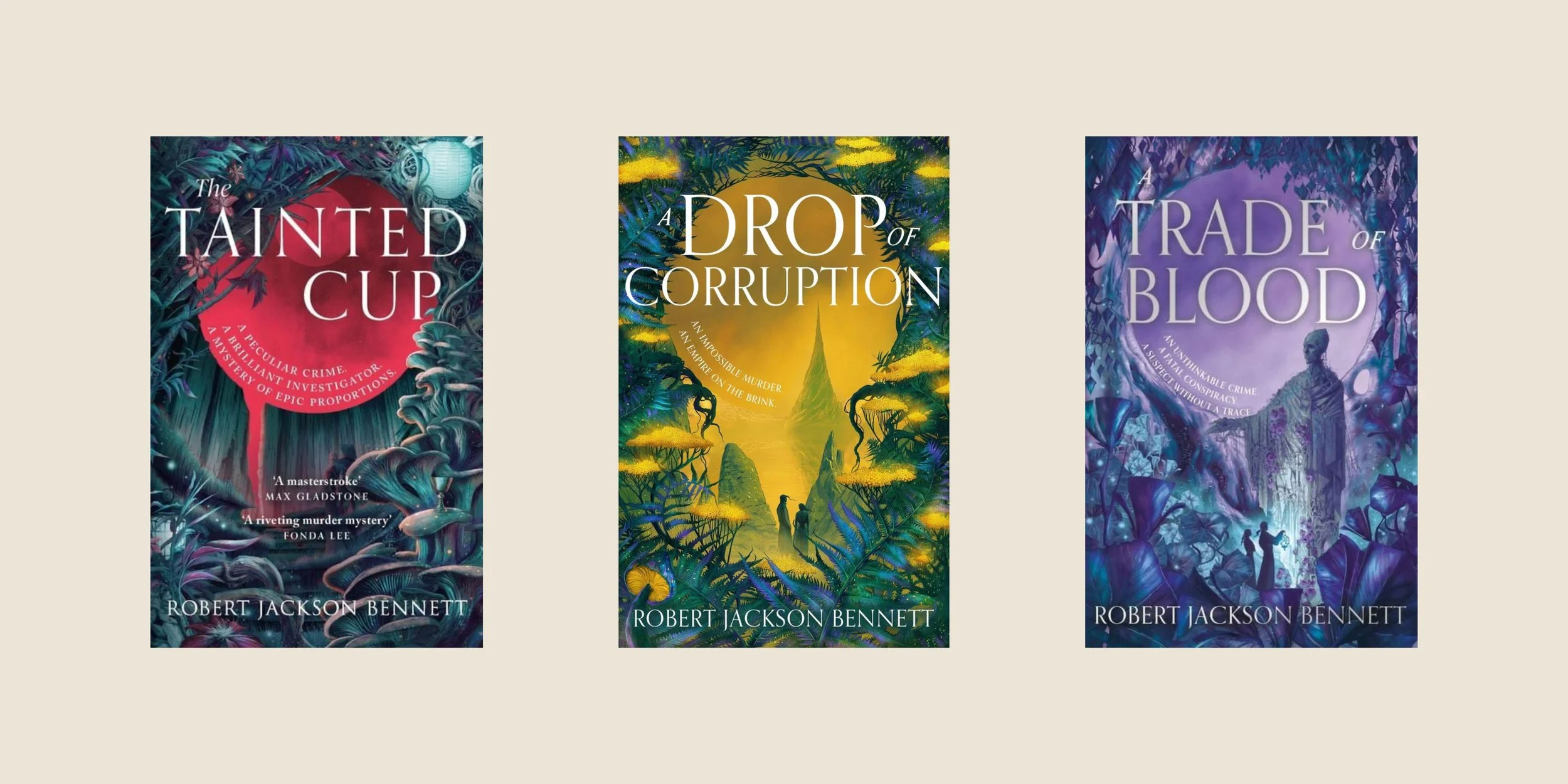
Robert Jackson Bennet Ana and Din Mysteries Series
Jackson blends biological augmentation, mythical creatures and a detective story into this series — and it works. The story follows Din, a heavily augmented detective, who travels throughout the Empire solving specific types of murders. What is most interesting, when it comes to magic systems, is how the leviathons were used to biologically augment the people of the realm, making them less human as time moves on. Jackson’s series reminds me of Le Guin’s worlds and the magic is explained in ways that don’t inhibit the books, but make them stronger, and hard to put down.
Check out more on Jackson’s website.
Hard magic systems
In practice, magic systems exist on a spectrum that is well articulated by author Brandon Sanderson under the guise of Sanderson's First Law: “the more a magic system is used to solve problems in a story, the more clearly defined and rule-bound it needs to be. “
A hard magic system, like Sanderson's Mistborn series, with its precisely defined allomantic powers, operates more like a puzzle. The rules are clear enough that both the reader and the character can reason within them, but complex enough that the reader is kept guessing how the magic will be used until the very last page of the book.
Mistborn is a great example of complex, hard magic systems. Sanderson has a YouTube channel and extensive resources available on his website about how he created his magic system and tips for authors to create their own. Sanderson also shares experts from his books. You can find some chapters and the prologue from Mist Born here.
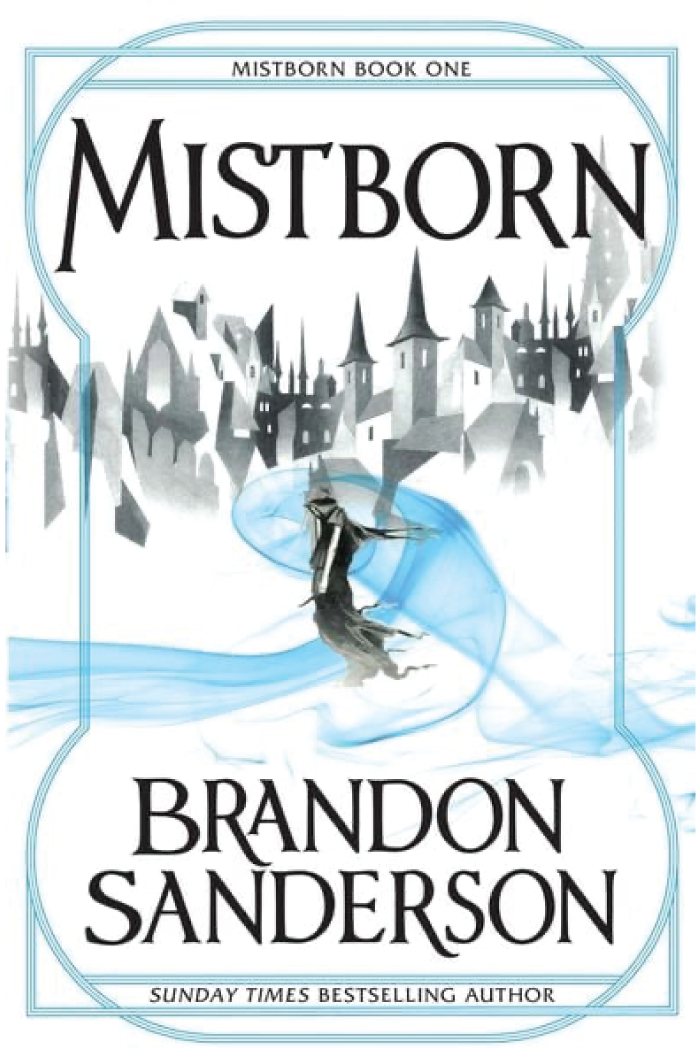
Mistborn by Brandon Sanderson
Mistborn started as an epic fantasy heist in a realm where the Dark Lord had won. What is perhaps most interesting, beside the character’s, world setting and the premise, is the magic system within the book.
Sanderson uses a complex set of allomantic metals as the basis for the hard magic system, and while alchemy has been used as a basis for magic systems in fantasy and sci-fi books forever, this magic system is quite unique. Be warned: once you start on a Sanderson book, you will find it quite hard not to become obsessed.
And that ending in Hero of Ages?
Prepare to cry your eyes out. I did!
In conclusion
What distinguishes a truly great magic system from a merely functional one is the degree to which it is integrated with the themes and the character arcs of the story. Magic that costs the user something — physically, morally, emotionally — can create a natural alignment between the magic system and the character's internal journey.
My last tip is to read widely. Le Guin, Tolkien, Sanderson, Hobb, Maas, Kuang can all provide inspiration (and a good read!) for your own magic systems.