

Resources
Journal
Resources to help you write, publish, & produce better books and content
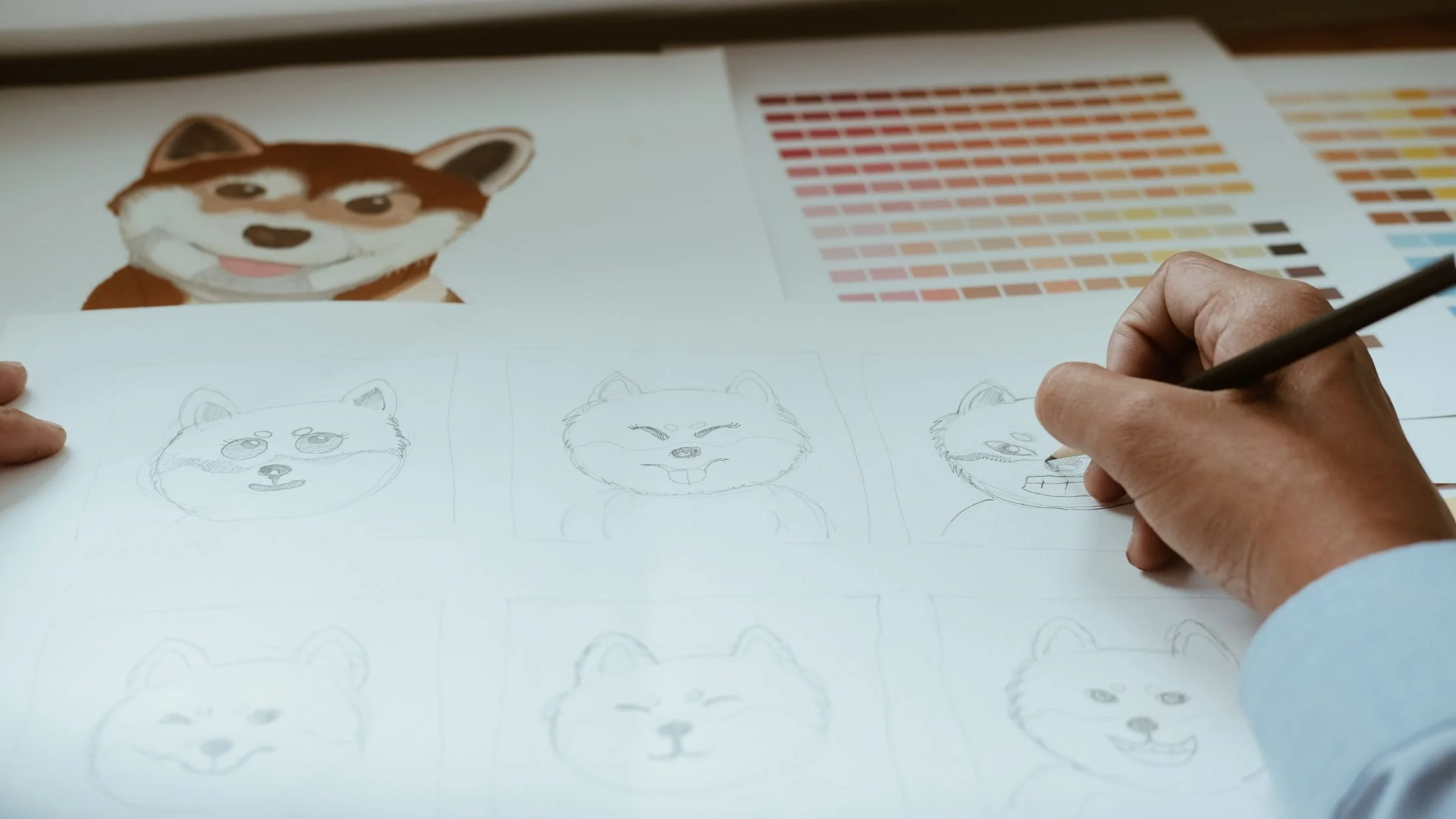
How does Disney do it?
Disney stories have evolved over the decades, but they tend to follow a highly recognisable narrative framework that blends classical storytelling (especially the Hero's Journey and Three-Act Structure) with a strong emotional arc.

Fantasy magic systems and how to write them well
A magic system is the set of rules, principles, costs, and limitations that govern how magic works within a fictional world. It defines what magic can do, who can use it, what it costs, and crucially, what it cannot do.
Book pacing and why it matters
Pacing is the speed at which a story moves — the rhythm of tension and release, action and reflection, acceleration and stillness that controls how a reader experiences time within a narrative. It is not simply about writing fast or slow scenes.

Fantasy tropes and how to use them
A trope is a recurring narrative device, character type, situation, or theme that appears frequently enough across a genre to be recognisable as a convention. Tropes are not clichés, though they can become clichés when used without thought or craft.

What is narrative structure?
Narrative structure is the framework that organises the events, revelations, and emotional beats of a story into a coherent, purposeful whole. It is distinct from plot — plot is what happens, structure is how the telling of what happens is arranged to maximise impact, meaning, and momentum.

What is point of view?
Point of view refers to the narrative perspective through which a story is told. It determines the reader's relationship to the characters, the information they have access to, the intimacy they feel, and the degree to which they are inside or outside the events of the story.

What is a story arc?
A story arc is not the same as a plot. Plot is the sequence of events — what happens, and in what order. A story arc is the underlying structure that gives those events meaning and direction.

What is a character arc?
A character arc is the internal journey that runs parallel to — and is driven by — the external plot. Every significant obstacle, every loss, every choice the story puts in front of a character is, at the arc level, an opportunity for that character to move toward or away from their transformation.
What is character development?
Character development is the process by which a character changes, grows, or is fundamentally altered over the course of a narrative. It is not simply the accumulation of experience — it is the transformation that experience produces.

What is world building?
World building is the process by which an author constructs the setting, rules, history, societies, and internal logic of the world their story inhabits. In speculative fiction — fantasy, science fiction, romantasy, and dark academia — it is not background decoration.

What is a ghost writer?
A ghost writer is a professional writer hired to produce content on behalf of someone else, in that person's voice and under that person's name. The ghost writer's contribution is typically confidential — they receive payment for their work but no public credit.

What is a book proposal?
A book proposal is a formal document submitted to a literary agent or publisher that makes the case for a non-fiction book before it is written. Unlike fiction, where authors are typically expected to complete the manuscript before submitting, most traditional non-fiction is acquired on the basis of a proposal alone .

What is show don't tell?
Show don't tell is the principle that vivid, specific, concrete detail — scene, action, sensory experience, behaviour — is more powerful and more engaging than direct statement of fact or emotion.
Basing your book on a historical legend
One way to get started on your book is by using a historical legend and basing your story line on that. When basing a book on a historical legend you will want to think about how closely you stick to the legend and how much you infuse your own story within the base legend.