Basing your book on a historical legend

One way to get started on your book is by using a historical legend and basing your story line on that. When basing a book on a historical legend you will want to think about how closely you stick to the legend and how much you infuse your own story within the base legend.
Writing a book based on a historical legend comes with it’s advantages. People might already know the story and the familiarity will help you to show more instead of telling. They might be familiar with the characters, world setting and the main story line.
What you need to do is tell the story in a unique way, while adhering to the main gist of the historical legend. Or, you could go off on another tangent entirely. That’s the beauty of writing, you are the creator. It’s your story.
Some great examples of books that are based on historical legends have been been written.
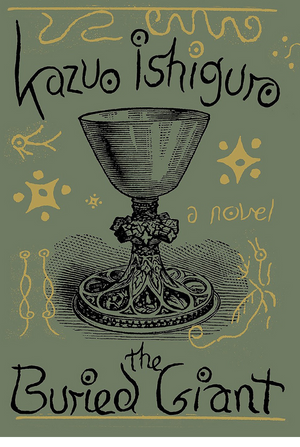
The Buried Giant by Kazuo Ishiguro
Set in a post-Arthurian Britain, drawing on medieval British folklore and mythic atmosphere rather than retelling a specific legend.
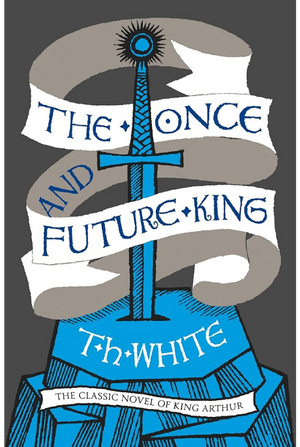
The Once and Future King by T. H. White
A classic re-imagination of the Arthurian legend with a whimsical and philosophical tone.
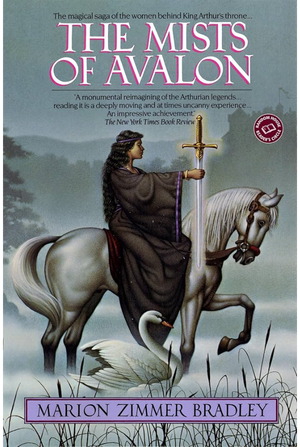
The Mists of Avalon by Marion Zimmer Bradley
A feminist retelling of the Arthurian legends, focusing on the women behind King Arthur’s story.
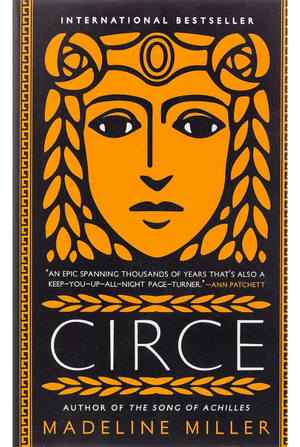
Reimagines the mythological witch Circe from Greek legend, blending epic events with introspective storytelling.
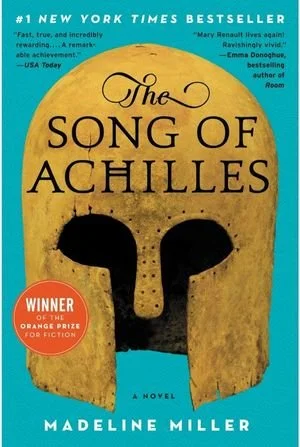
The Song of Achilles by Madeline Miller
Retells the legend of Achilles and the Trojan War from a modern, lyrical, character-driven perspective.
Tips on writing books based on historical legends
Here are practical, craft-focused tips for writing a novel based on historical legends while keeping it fresh, grounded, and marketable.
Research historical legends but make them your own
Start with the core version of the legend, then explore 2–3 alternative tellings. Note what’s consistent across the historical legends, and what changes. Don’t let research postpone writing, immerse yourself just enough to figure out the load-bearing myth and figure out where you can put your own spin on things.
Identify the historical legend’s emotional engine
Ask: Why has this legend survived?
Usually there’s a core emotional tension, such as: betrayal, forbidden love, loss, revenge, destiny. Build your book around that rather than trying to reproduce plot point by plot point. But there is nothing stopping you building your story based on historical plot points!
Choose your distance to the legend
You can:
• retell it faithfully
• subvert it (villain → hero, male character → female POV)
• refract it (same emotional arc, new characters/world)
• re-seed it (place the legend into a different time or culture)
Decide early: how close or far from the original will you stand?
Fill the gaps with your own spin on events
Legends are full of missing motivations, thin side characters, and unexplained events. These gaps are gifts. Use them to develop:
• richer character arcs
• magic systems or supernatural layers
• political dynamics
• personal stakes
Make the world feel lived-in
Even if it’s fantasy, ground the setting in plausibly historical details, such as: clothing, trade routes, family structures, superstition, food, beliefs. These tangible textures make the myth feel real rather than floaty.
Give the legend consequences
Don’t treat the legendary events as isolated. Dig a little deeper and ask:
• How does society react to the legendary figure?
• What’s the political fallout?
• What myths or propaganda grow around the events?
A legend is a story people tell—explore how that shapes your world.
Decide what magic is literal vs metaphorical
Many legends contain supernatural elements. Clarify your approach:
• Is the magic real in your world?
• Is it misinterpreted natural phenomena?
• Is it symbolic, with only characters believing in it?
Make this consistent to avoid tonal confusion.
Rework the legend’s problem areas
Old legends often contain outdated gender roles, racism, or morality structures. You can:
• interrogate them
• invert them
• contextualise them
• or remove what no longer serves the narrative
Readers expect nuance and sensitivity in modern retellings.
Let characters drive the story, not the legend
Avoid the trap of replictaing exact legendary events. Make sure characters’ choices genuinely propel the plot. The legend is scaffolding, not a checklist. But checklists do come in handy when keeping your facts, storyline and plot cohesive.
Show what’s new
Agents and readers want to know: Why this retelling? Why now?
Highlight the fresh angle:
• a marginalised character’s perspective
• a modern theme (migration, climate, identity)
• a new setting or cultural blend
• a subversion of a well-known trope
Build your author’s note as you go
Keep a separate doc noting:
• which sources you used
• which events you changed
• why you adapted certain parts
This becomes your Author’s Note, helping you to keep your facts straight and doubles as a handy explainer for reader’s and agents alike.
About Naomi Anne Little
Naomi is an editor and author, primarily of fantasy books. She lives and works in Berlin, Germany, with a view of an oak tree that is home to a murder of crows. Her editing work covers a range of fiction and non-fiction genres. If you would like to hire Naomi to edit your book, fill out the form on the homepage.